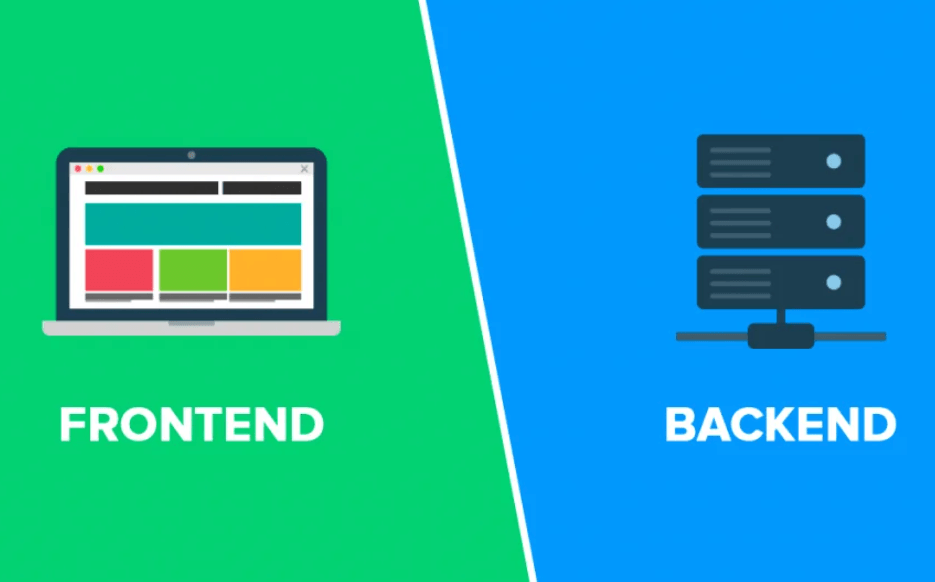
Frontend focuses on user interfaces and interactions, while Backend handles data, rules, and storage. They connect via APIs, enabling fast iteration and scalable architectures. The overlap matters for speed, latency, and consistency. A clear, outcome-driven tech choice helps meet performance targets without sacrificing control. This balance guides decisions on rendering, processing, and caching. The discussion clarifies when to shift emphasis from visuals to data processing, inviting the next steps to optimize both layers.
What Frontend and Backend Do, in Plain Language
Frontend and backend work together to build a complete web application: the frontend handles what users see and interact with, while the backend processes data, enforces rules, and serves the frontend with the necessary information.
In this collaboration, frontend basics describe interfaces, while backend roles manage logic, storage, and security.
API-driven approaches empower developers seeking freedom and rapid iteration.
How They Overlap and Why That Matters for Speed
APIs and data flows connect frontend interfaces with backend logic, so speed depends on how tightly these layers collaborate. The overlap reveals shared constraints: lagging bottlenecks in APIs, databases, or caching ripple through UX. Teams pursue scalable architectures that balance rendering and processing, ensuring smooth data delivery, minimal latency, and adaptable performance without sacrificing freedom or control over user experiences.
See also: bouvierturf
How to Evaluate a Tech Stack for Frontend vs Backend
Evaluating a tech stack for frontend versus backend requires a structured, outcome-driven approach: identify user needs, performance targets, and integration points, then map them to suitable technologies. The analysis weighs latency vs bandwidth considerations and aligns caching strategies with data access patterns, API contracts, and scalability goals, delivering a crisp, vendor-agnostic recommendation for streamlined delivery, reliability, and freedom to evolve architectures.
Real-World Scenarios: When to Tweak Frontend or Backend
Real-world guidance shows that tweaking frontend or backend hinges on user impact and measurable signals rather than architectural dogma: when latency directly influences user satisfaction, optimization leans toward the client, while data integrity, business rules, and cross-system consistency point to backend adjustments.
latency vs rendering, caching strategies vs API design guide pragmatic decisions for freedom-loving teams.
Frequently Asked Questions
How Do Frontend and Backend Influence Accessibility Decisions?
Frontend and backend influence accessibility decisions by aligning design accessibility with performance goals, ensuring semantic structure, keyboard operability, and screen reader support while design accessibility and optimize caching considerations drive resilient, user-centered, API-driven experiences for freedom-seeking clients.
What Are Common Performance Bottlenecks Unique to Each Side?
One interesting stat shows 40% of users abandon pages after two seconds, signaling bottlenecks. Frontend bottlenecks center on rendering latency; backend bottlenecks on query latency. Latency tuning and Memory profiling guide targeted, client-focused, API-driven optimization strategies with freedom.
Can Frontend Frameworks Replace Backend Logic Entirely?
Frontend frameworks cannot fully replace backend logic; they handle presentation, not durable data processing. They may emulate certain tasks, but essential Backend responsibilities remain, requiring servers, databases, and secure APIs to ensure integrity, scalability, and dependable business logic.
How Do Security Concerns Differ Between Frontend and Backend?
An allegory unfolds: guards differ—frontline screens starve attackers, while backend vaults verify every request. Security models shape behavior; data validation anchors trust, ensuring API clarity and client freedom within strict, disciplined boundaries.
When Should You Refactor Architecture Rather Than Optimize Code?
When performance plateaus, one should refactor architecture rather than optimize code, because structural improvements yield scalable gains and resilience; refactor architecture first, then optimize code, aligning systems with evolving goals and client-driven API standards.
Conclusion
In sum, the article emphasizes a disciplined, API-driven partnership between frontend and backend. By clarifying responsibilities, teams avoid blame-shifting and accelerate delivery, aligning rendering with processing to meet performance targets. The takeaway: optimize where value lies, not where comfort lives. When latency climbs, decouple concerns and cache intelligently. Both sides must speak a common language, sharing metrics and outcomes. Teams should treat data flow as a contract, not a battlefield, and stay prepared to pivot as needs evolve. It’s a win-win.