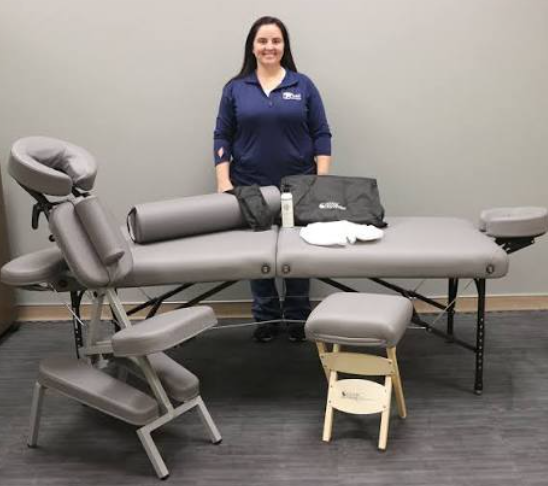
Motorized massage tables offer professional advantages over manual alternatives, enabling precise positioning, consistent functionality, and superior ergonomic support. The contemporary market offers numerous motorized options with distinct features and price points. Comprehensive comparison helps identify equipment perfectly matching your facility needs and investment capacity.
Motorized vs. Manual Massage Tables: Core Differences
Motorized tables feature electric height adjustment and automated positioning enabling precise, effortless adjustment. Manual tables require hand-cranking or lever operation for positioning changes. Motorized systems offer superior convenience, precision, and ergonomic support justifying premium investment despite higher costs.
Height Adjustment Capabilities Comparison
Compare adjustment ranges, speed, smoothness, and precision across options. Quality motorized systems provide smooth, responsive adjustment with wide ranges accommodating diverse technician heights. Adjustment comparison reveals operational differences affecting daily work comfort.
Positioning and Recline Function Comparison
Evaluate recline angle ranges, multiple section adjustability, position hold reliability, and programmable memory capabilities across options. Advanced motorized systems offer sophisticated positioning supporting specialized techniques. Positioning capabilities directly impact service delivery flexibility.
Power and Functionality Comparison
Compare electrical requirements, power consumption, battery backup options, and emergency operation capability. Quality systems maintain functionality during power disruptions through manual overrides. Power comparison ensures operational reliability and safety.
Construction Quality and Durability Assessment
Evaluate structural materials, weight capacity specifications, upholstery quality, and construction standards across options. Superior construction ensures equipment withstands commercial use maintaining reliability and safety. Durability comparison reveals long-term value differences.
Safety Features and Compliance Standards
Compare automatic shutoff systems, emergency recline controls, secure positioning mechanisms, and safety certifications. Comprehensive safety features protect clients while meeting regulatory requirements. Safety comparison ensures professional standards compliance.
Ergonomic Design and Therapist Support
Evaluate how different motorized tables support therapist comfort and health. Proper height ranges, smooth adjustment, responsive controls, and intuitive operation reduce physical demands. Ergonomic comparison impacts staff retention and long-term team wellness.
Aesthetic Design and Facility Integration
Compare visual design, color options, upholstery selections, and contemporary styling across options. Superior aesthetics integrate equipment into professional environments enhancing facility perception. Design comparison reveals positioning and atmosphere implications.
Warranty and Customer Support Comparison
Evaluate warranty coverage, support responsiveness, parts availability, and long-term manufacturer commitment across options. Superior support reduces operational risk and ensures continued functionality. Support comparison reveals manufacturer confidence and customer priority.
Price-to-Value Analysis Across Options
Calculate comprehensive value considering: initial cost, expected operational life, maintenance expenses, service premium motorized massage table comparison pricing enabled, and technician productivity impact. Thorough value analysis guides investment decisions. Financial analysis ensures appropriate investment alignment with business objectives.
Detailed comparisons of leading motorized options document features and capabilities enabling direct evaluation. Manufacturer specifications provide technical details supporting comparison. Professional recommendations guide selection based on facility type and service offerings.
FAQs
What motorized massage table features matter most?
Prioritize: smooth height adjustment, reliable positioning, sturdy construction, professional aesthetics, and quality support. Advanced features like programmable memory enhance convenience but shouldn’t compromise fundamental functionality and reliability.
How much should I budget for quality motorized massage tables?
Professional motorized options typically cost $2,500-$12,000 per table depending on features and brand. Mid-range professional options offering strong value typically cost $4,000-$7,000. Budget should align with facility positioning and revenue potential.
Should I invest in motorized tables or manual alternatives?
For professional wellness facilities, motorized investment justifies the cost through: superior positioning capability, ergonomic support reducing therapist injury risk, consistent functionality, client experience enhancement, and service premium pricing support. Motorized represents standard professional choice.
Conclusion
Selecting appropriate motorized massage tables requires comparing available options across functionality, quality, support, and value. By systematically evaluating motorized alternatives and understanding their distinct advantages, you invest in equipment supporting therapeutic excellence and business success. Professional motorized table investment demonstrates commitment to service quality and therapist wellness, supporting competitive advantage and sustainable business growth.