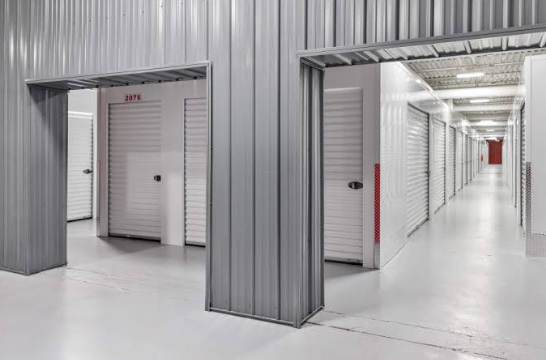
Temperature-sensitive products require carefully designed storage environments. Food, pharmaceuticals, agricultural products, chemicals, and other perishable materials can lose quality when exposed to unsuitable temperatures for extended periods. A well-planned refrigerated storage facility helps businesses maintain product quality while improving inventory management and operational efficiency.
Modern cold-storage facilities are more than insulated rooms with cooling equipment. They combine insulation, refrigeration, temperature monitoring, doors, flooring, lighting, drainage, and control systems into one coordinated environment. Each component contributes to maintaining stable internal conditions.
Understanding the Purpose of Refrigerated Storage
The primary purpose of a refrigerated storage environment is to maintain products within a defined temperature range. Different products require different conditions, so the storage system should be designed around the materials being stored.
Fresh food may require chilled conditions, while frozen products need significantly lower temperatures. Some specialized products may require narrow temperature ranges and continuous monitoring.
Before designing a facility, businesses should identify the products, expected storage duration, loading frequency, required temperature range, and available space.
See also: Lightweight Aluminum Flatbed vs Steel Flatbed: Which Material Offers Better Durability?
Important Design Considerations
Several factors influence cold-storage performance.
Insulation
High-quality insulation helps limit heat transfer between the refrigerated interior and the surrounding environment. Properly installed panels can reduce the workload placed on refrigeration equipment.
Doors
Cold-room doors are frequently opened during loading and unloading. Poorly sealed doors can allow warm air to enter and increase energy consumption.
Flooring
The floor must withstand expected loads, traffic, moisture, and temperature conditions. A suitable surface can also improve workplace safety.
Refrigeration Equipment
Cooling equipment should be appropriately sized for the room volume, insulation, product load, and operating conditions.
Managing Energy Consumption
Energy efficiency is increasingly important for refrigerated facilities because cooling systems can consume substantial amounts of electricity.
Efficient insulation reduces unnecessary heat gain. Well-maintained refrigeration equipment can also operate more effectively.
Businesses can monitor temperature patterns and energy consumption to identify unusual changes. A sudden increase in energy use may indicate damaged insulation, a door-sealing problem, refrigeration inefficiency, or another issue requiring attention.
Temperature Monitoring
Consistent monitoring is essential. A temperature display alone may not provide enough information for larger facilities.
Modern systems can use sensors and monitoring equipment to record conditions at different points. Alerts can notify staff when temperatures move outside defined limits.
Maintaining records can also help businesses identify recurring issues and demonstrate that appropriate storage procedures are being followed.
Hygiene and Organization
Cold-storage facilities should be easy to clean and organize. Products should be stored in a way that allows air to circulate around them while maintaining practical access for employees.
Regular cleaning can help reduce contamination risks. Spills should be addressed promptly, and damaged packaging should not be ignored.
Clear labeling and inventory rotation can further improve efficiency.
Choosing a Suitable Facility Provider
Businesses evaluating cold room manufacturers should look beyond the initial quotation. Technical experience, insulation quality, refrigeration design, customization, installation support, and after-sales service can all influence long-term value.
A supplier should understand the intended application and help ensure that the proposed design matches operational requirements.
Maintenance
Preventive maintenance should cover refrigeration equipment, doors, seals, insulation, temperature sensors, electrical components, and drainage.
Routine inspections can identify small problems before they develop into expensive failures.
FAQs
Why is insulation important in a cold room?
It reduces heat transfer and helps refrigeration equipment maintain the required internal temperature more efficiently.
How often should temperature be monitored?
Monitoring frequency depends on the application. Sensitive products may require continuous monitoring and automated alerts.
Can a cold room be customized?
Yes. Dimensions, temperature range, doors, shelving, insulation, refrigeration equipment, and monitoring systems can be designed around specific requirements.
Conclusion
Reliable refrigerated storage depends on coordinated design rather than a single piece of equipment. Proper insulation, refrigeration, monitoring, doors, hygiene, and maintenance all contribute to stable conditions.
Businesses that plan these elements carefully can protect inventory, reduce operational risks, and create a more efficient storage environment.