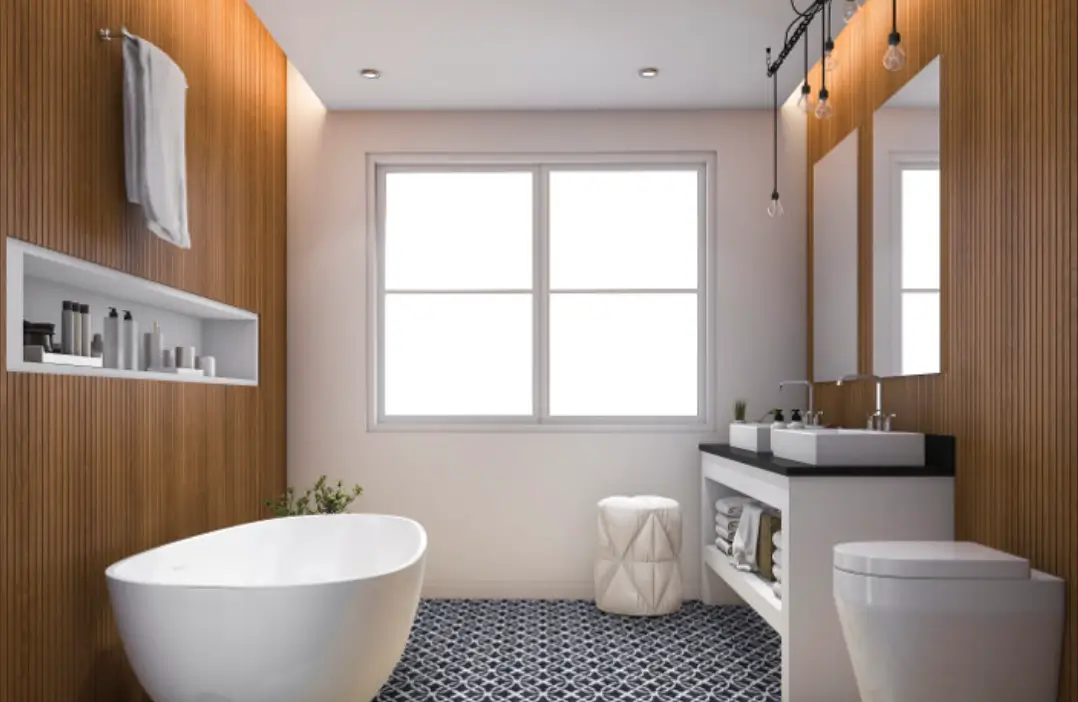
Choosing the right tile for your home can significantly impact not only the aesthetics but also the longevity of your flooring. Both Cement Tile and porcelain tile are popular choices in the world of interior design and home improvement, renowned for their durability and style. However, each material offers unique benefits and potential challenges. This article delves into the durability, environmental impact, and long-term value of Cement Tile and porcelain tile, helping you make an informed decision for your next renovation or building project.
Cement Tile: A Closer Look at Its Durability
Cement Tile is celebrated for its resilience and ability to withstand heavy foot traffic, making it an excellent choice for both residential and commercial spaces. This tile is made from a mixture of Cement Tile, sand, and pigments, which are pressed and cured to create a robust surface. An interesting detail about Cement Tile is its ability to develop a patina over time, adding character and depth to any space.
The durability of Cement Tile is further enhanced by its thickness, often ranging between 5/8 to 3/4 of an inch. This thickness provides a solid base that can endure daily wear and tear. According to the Cement Tile Association, these tiles can last for decades with proper care, rivaling the lifespan of natural stones.
Moreover, Cement Tile is compatible with modern design techniques like Color Rendering and Spatial Planning, allowing for intricate and personalized patterns. This adaptability makes it a favorite among designers creating a mood board for unique interior spaces.
Porcelain Tile: Strength and Longevity Compared
Porcelain tile is manufactured from refined clay and fired at high temperatures, resulting in a dense and highly durable product. This process not only enhances the tile’s strength but also its resistance to moisture, making it ideal for areas prone to spills or high humidity, such as kitchens and bathrooms.
One of the key features of porcelain tile is its adherence to ANSI standards, ensuring consistent quality and performance. These tiles are often used in projects that require precise spatial planning and CAD designs due to their uniform size and shape. Moreover, porcelain tile is known for its low porosity, which helps prevent stains and water damage.
In terms of longevity, porcelain tile can match or even exceed Cement Tile in durability, particularly in environments that demand high moisture resistance. This makes it a preferred choice for exterior applications or spaces that experience significant temperature fluctuations.
Environmental Impact and Maintenance Considerations
When considering the environmental impact, Cement Tile offers an advantage due to its natural composition and the absence of harmful chemicals in its production process. These tiles are often handmade, supporting sustainable practices and reducing the carbon footprint associated with industrial manufacturing.
On the other hand, porcelain tile production involves higher energy consumption due to the firing process, but many manufacturers are now pursuing LEED Certification to improve their environmental impact. This certification is a testament to sustainable practices in production, which can influence your choice if eco-friendliness is a priority.
Maintenance is another factor to consider. Cement Tile requires sealing to maintain its appearance and prevent staining, while porcelain tile is virtually maintenance-free, needing only regular cleaning with mild detergents. This low maintenance aspect can be appealing in high-traffic areas or households with children and pets.
Cost Analysis: Long-term Value of Cement vs. Porcelain Tiles
Evaluating the long-term value of Cement Tile versus porcelain tile involves considering initial costs, installation, and maintenance expenses. Cement Tile tends to be more expensive upfront, largely due to its handcrafted nature and intricate designs that often include elements of millwork.
Porcelain tile, while generally more affordable in terms of initial purchase and installation, offers excellent long-term value due to its durability and minimal upkeep. Recent reports from Architectural Digest suggest that porcelain tile’s versatility in design and resilience make it a cost-effective solution for modern homes.
Ultimately, the decision between Cement Tile and porcelain tile should be guided by your specific needs, budget, and aesthetic preferences. Both options provide durable flooring solutions that can enhance the beauty and functionality of your home.
Conclusion
Both Cement Tile and porcelain tile offer impressive durability, each with unique advantages based on their composition and manufacturing process. Cement Tile provides a timeless, handcrafted appeal, while porcelain tile offers modern resilience and ease of maintenance. For those prioritizing environmental considerations, Cement Tile may be more appealing, whereas porcelain’s low-maintenance nature might sway busy homeowners. Consider your project’s specific needs and preferences to choose the tile that best fits your vision and lifestyle.